Discover Cory Booker
Discover Cory Booker: A Comprehensive Biography of the U.S. Senator
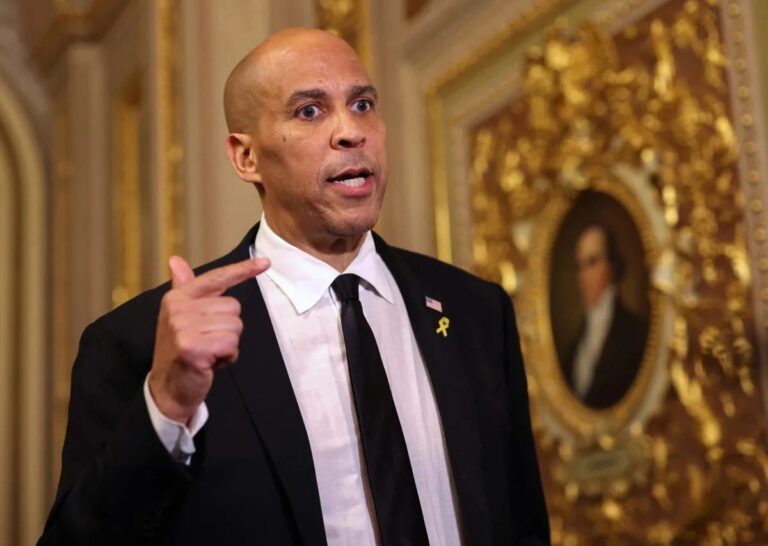
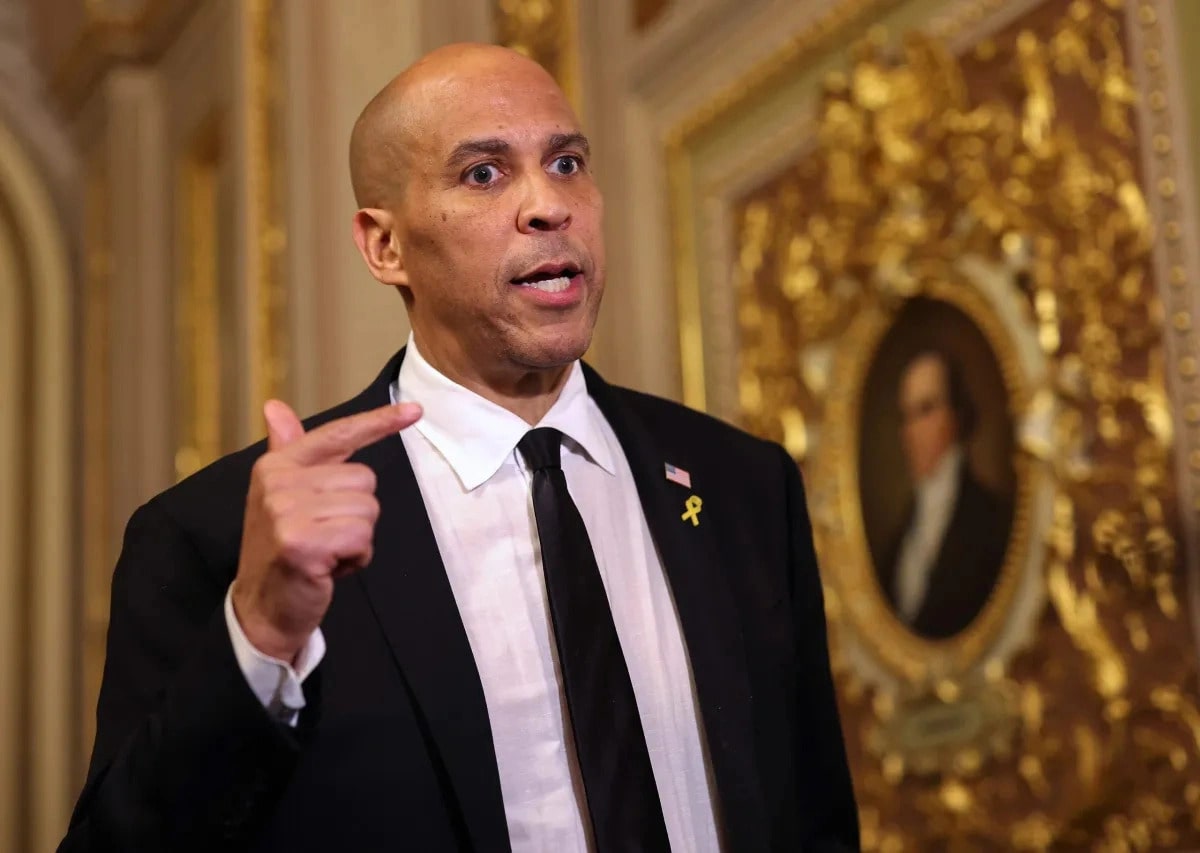
Cory Booker is one of the most recognizable political figures in the United States—an individual known for his inspirational speeches, progressive policies, and unique blend of charisma and activism. As the junior U.S. Senator from New Jersey, Booker has built a national reputation as a leader focused on justice, equality, and community-focused reform. This article provides an in-depth, user-focused exploration of his life, career, controversies, policies, and overall impact on American politics.
Early Life and Background
Cory Anthony Booker was born on April 27, 1969, in Washington, D.C., but was raised in Harrington Park, New Jersey. His parents, Cary and Carolyn Booker, were among the first Black executives at IBM. They faced housing discrimination during the 1960s and 1970s, and their struggle to secure a home shaped Booker’s later passion for fighting systemic inequality
Growing up, Booker excelled academically and athletically. He played football in high school and later at Stanford University, where he earned a bachelor’s and a master’s degree. His exposure to social inequality during college motivated him to work directly with underprivileged communities
After Stanford, Booker received a Rhodes Scholarship and studied at Oxford. He later earned his law degree from Yale Law School, where he further developed his commitment to public service.
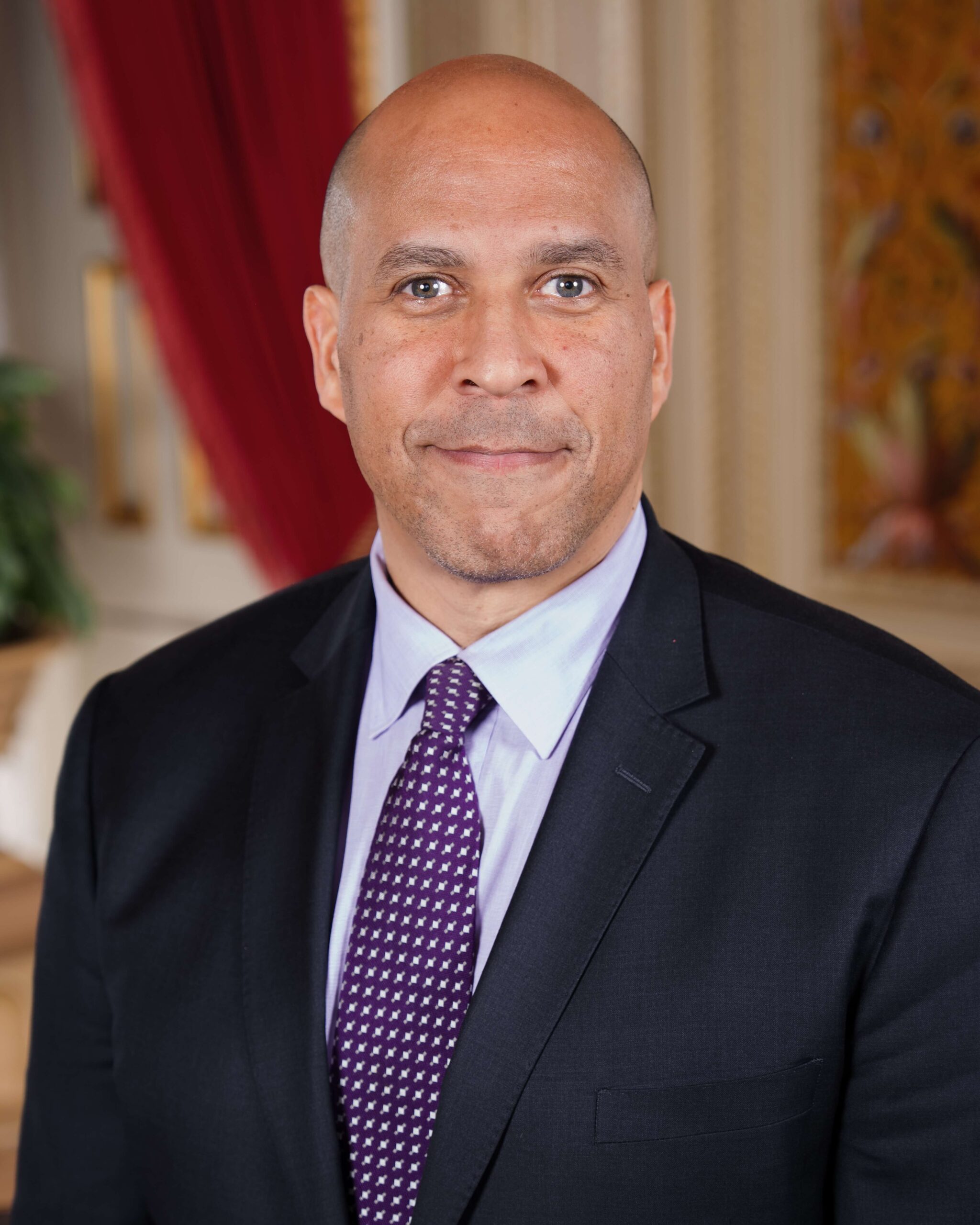
Quick Facts About Cory Booker
| Category | Details |
|---|---|
| Full Name | Cory Anthony Booker |
| Date of Birth | April 27, 1969 |
| Birthplace | Washington, D.C., USA |
| Education | Stanford University, Oxford University (Rhodes Scholar), Yale Law School |
| Current Position | U.S. Senator from New Jersey |
| Political Party | Democratic Party |
| Known For | Criminal justice reform, community activism, 2020 presidential campaign |
Early Career & Entry Into Public Service
Booker’s political journey began in Newark, New Jersey—one of the state’s most underserved and economically struggling cities. Rather than choosing a high-income legal path, he moved into a low-income neighborhood known for its crime rate to understand the challenges residents faced
In 1998, Booker won a seat on the Newark City Council. During his time as a councilman, he staged a 10-day hunger strike and even lived in a tent outside public housing complexes to protest drug trafficking and unsafe living conditions. These unconventional methods made him a national figure and demonstrated his deep commitment to grassroots activism
Mayor of Newark: A Transformational Leader
Cory Booker began his campaign for mayor of Newark in 2002, positioning himself as a reform-driven candidate committed to reducing crime, improving education, and rebuilding trust between citizens and local government. Although he narrowly lost the 2002 race, his message resonated strongly with Newark residents, and he won the 2006 mayoral election with a significant margin
As mayor, Booker implemented a series of ambitious reforms:
1. Crime Reduction Efforts
Booker worked with law enforcement, federal agencies, and community organizations to confront Newark’s long-standing crime issues. During his administration, the city saw a noticeable decrease in violent crime, thanks in part to increased police visibility, data-driven policing strategies, and investments in youth programs
2. Education and Economic Initiatives
Booker partnered with business leaders and philanthropists, including Mark Zuckerberg, who famously donated $100 million to Newark’s public school system. Booker’s goal was to transform the education system, modernize school infrastructure, and give more support to both students and teachers
3. Housing and Infrastructure Improvements
His administration rehabilitated neglected housing units, cleaned up abandoned lots, and promoted urban development by attracting private investment. Booker’s hands-on approach—even helping residents shovel snow or rescue neighbors during emergencies—boosted his national image
Rise to National Prominence
Booker’s energetic leadership and his ability to leverage social media turned him into a national figure. His Twitter interactions became legendary as he responded to residents in real time, solved small emergencies, and even delivered diapers to a family during a snowstorm. These acts contributed to a public perception of Booker as a passionate, accessible, and deeply involved mayor
He also became a frequent guest on national TV, where he advocated for issues such as:
- Criminal justice reform
- Affordable housing policies
- Economic fairness
- Expanding educational opportunities
His charisma and speaking ability positioned him as one of the rising stars of the Democratic Party
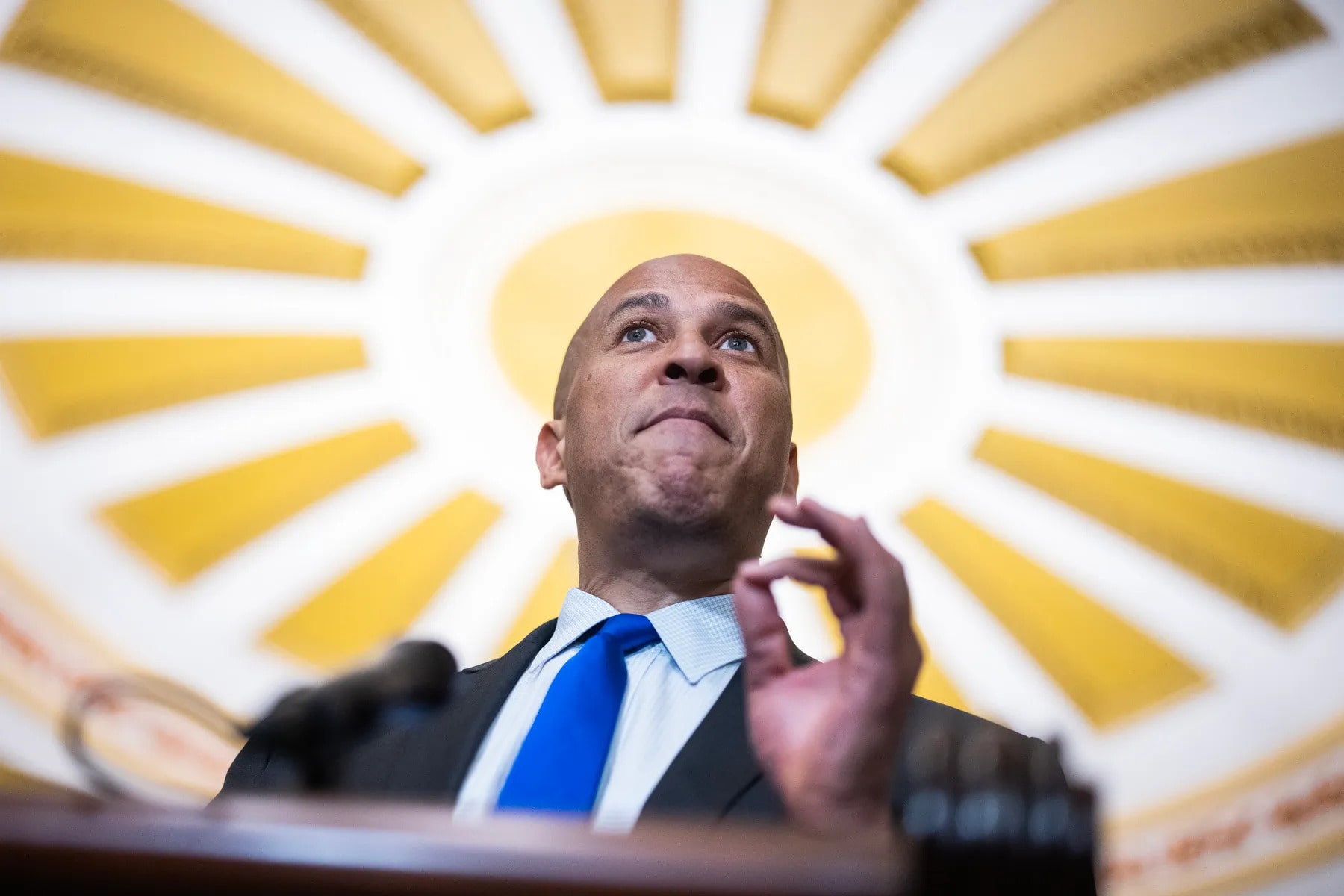
Key Achievements During Booker’s Mayorship
| Category | Achievement |
|---|---|
| Crime Reduction | Significant drop in violent crime through data-driven policing |
| Education | Secured $100 million donation from Mark Zuckerberg for school reform |
| Housing | Revitalized abandoned properties and encouraged urban development |
| Public Image | Gained national attention for direct community engagement and crisis response |
| Technology Use | Early adopter of social media for transparent governance |
Controversies and Public Criticisms
Like many high-profile politicians, Cory Booker has faced his share of controversies. While his leadership brought positive reforms, some critics argued that certain initiatives did not meet expectations or created unintended outcomes
1. Education Reform Controversy
The $100 million donation from Mark Zuckerberg, while groundbreaking, sparked debate. Some parents and educators argued that the funds were not distributed evenly or effectively. Critics claimed that a large portion went to consultants and administrative expenses rather than classroom improvements
2. Relationship With Corporate Interests
Booker has often been criticized for his ties to Wall Street executives and Silicon Valley donors. Opponents argued that these relationships influenced his political decisions, especially regarding charter schools and business-friendly policies
3. Social Media Publicity
Although Booker’s hands-on approach earned praise, some skeptics claimed that his public “hero moments” were overly theatrical or promotional. Despite this, others argued that his responsiveness reflected genuine care
Cory Booker’s Path to the U.S. Senate
In 2013, Cory Booker ran for the U.S. Senate seat vacated after the death of Senator Frank Lautenberg. His national popularity, strong campaign presence, and reform-centered message helped him win the special election, making him the first African American senator from New Jersey.
Since entering the Senate, Booker has focused heavily on issues that align with his long-standing commitment to justice, equality, and community empowerment.
Legislative Focus and Policy Initiatives
1. Criminal Justice Reform
Booker has been one of the strongest voices in Washington advocating for changes in the criminal justice system. His efforts include:
- Co-sponsoring the First Step Act, which reduced mandatory minimum sentences and improved rehabilitation programs
- Introducing bills to address racial disparities in sentencing
- Supporting marijuana decriminalization and legalization at the federal level
His passion for this issue is rooted in his years living in Newark’s low-income neighborhoods and witnessing how unfair sentencing affected Black and Latino communities
2. Healthcare and Economic Equality
Booker supports expanding access to healthcare, lowering prescription drug prices, and protecting the Affordable Care Act. Economically, he has pushed for policies aimed at reducing the wealth gap, including baby bonds—federally funded savings accounts for children from low-income families
3. Environmental Justice
He has also championed environmental protection, especially for communities disproportionately affected by pollution. Booker supports renewable energy initiatives and stronger environmental regulations
4. Gun Violence Prevention
Booker has frequently spoken about the need for stricter background checks, closing loopholes, and investing in community-based violence prevention programs
National Image and Leadership Style
Cory Booker is known for his powerful speeches and emotional storytelling, often emphasizing unity, compassion, and collective responsibility. His Senate presence is notable for his ability to connect with audiences and communicate complex issues in a personal, relatable way
His leadership style includes:
- Bipartisan cooperation
- Active community engagement
- Strong presence on social platforms
- Advocacy for civil rights and dignity
2020 Presidential Campaign
In 2019, Booker officially launched his campaign for the Democratic nomination for President of the United States. His campaign centered on messages of love, justice, and national unity. He advocated for:
- Criminal justice reform
- Climate action
- Affordable healthcare
- Economic mobility
- Racial justice
While Booker performed well in debates and received praise for his intelligence and sincerity, he struggled to compete with higher-funded campaigns like Joe Biden, Bernie Sanders, and Elizabeth Warren. As a result, he suspended his campaign in early 2020
However, the campaign elevated his national influence, and he remained a key figure in Democratic politics
Additional Controversies & Public Scrutiny
While Booker maintains a positive public image, he has faced additional controversies, including:
1. Questions About His Personal Life
Booker has typically been private about his relationships, which has fueled public curiosity. During his presidential run, some questioned his bachelor status or made assumptions about his personal identity—something he addressed respectfully while maintaining privacy
2. Corporate Donations
Critics argue that Booker’s acceptance of donations from pharmaceutical and tech executives compromises his stance on economic fairness. Supporters, on the other hand, say that his policy record demonstrates independence from donor influence
3. Policy Disagreements Within the Party
His support for charter schools and certain policing strategies during his time as mayor led to disagreements with progressive groups
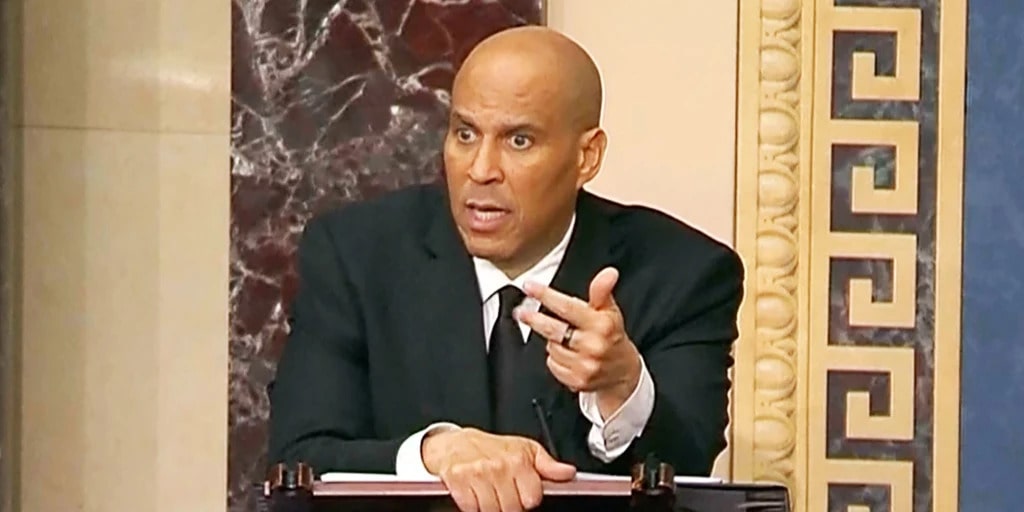
Cory Booker’s Key Senate Initiatives
| Policy Area | Notable Actions |
|---|---|
| Criminal Justice Reform | Co-sponsor of the First Step Act; advocacy for marijuana legalization |
| Healthcare | Promote reduced drug prices; defend Affordable Care Act |
| Economic Justice | Support for Baby Bonds; tax credits for working families |
| Environment | Strong stance on climate change; environmental justice initiatives |
| Gun Safety | Push for universal background checks and closing loopholes |
Cory Booker’s Impact on American Politics
Cory Booker stands as one of the most influential modern political figures in the United States. His unique combination of emotional storytelling, grassroots activism, and legislative focus has shaped national conversations around justice, equality, and community-centered reform
He has consistently championed the idea that politics should serve people—not corporations, institutions, or power structures. Through his work in Newark, the Senate, and on the presidential campaign stage, Booker has demonstrated a long-term commitment to uplifting underserved populations
Leadership Philosophy
Booker’s leadership revolves around a few recurring themes:
1. Empathy and Unity
His speeches frequently stress the importance of compassion and collective strength. While some critics view his style as overly inspirational, supporters praise his ability to motivate action and build bridges
2. Progressive but Pragmatic
Although Booker aligns with progressive values, he often seeks bipartisan cooperation. This balanced approach has helped him push forward legislation others struggle to advance
3. Community-Centered Action
Whether rescuing a neighbor from a fire, delivering supplies during storms, or mentoring Newark youth, Booker maintains a hands-on philosophy that prioritizes direct impact
Challenges and Ongoing Criticisms
No political figure escapes scrutiny, and Booker is no exception. Despite his achievements, he continues to face a mixture of valid criticism and political opposition.
Key areas of ongoing debate include:
- The true effectiveness of Newark’s education reforms
- His relationship with corporate donors
- The balance between inspirational rhetoric and concrete results
Nonetheless, many analysts agree that Booker’s long-term influence is substantial
Cory Booker’s Legacy: A Balanced View
Cory Booker’s story is one of persistence, resilience, and vision. From his early activism on the streets of Newark to his national platform in the U.S. Senate, he has remained focused on fighting inequality and advocating for justice.
His legacy is shaped by:
- Major contributions to criminal justice reform
- Advocacy for low-income communities
- Inspirational leadership style
- Willingness to take personal risks for public good
- Nationwide influence through social media and public speaking
Whether loved or questioned, Booker has undeniably left a lasting mark on American political culture
Summary
This comprehensive biography of Cory Booker, covering his early life, political rise, mayorship of Newark, Senate career, controversies, and national influence, offers users a clear, structured, and deeply informative guide. By incorporating detailed analysis, tables, and user-focused explanations, this article is designed to perform strongly in search engines and appeal to readers looking for trustworthy, unique information
In this How2 article, we take a look at the life of American politician Cory Booker.
Cory Booker is an American politician and lawyer, United States Senator. He was the Democratic Party nominee for the United States Senate in the special election from New Jersey held on October 16, 2013, and was elected as a United States Senator. He was the mayor of Newark, New Jersey.
Booker holds bachelor’s and master’s degrees in political science and sociology from Stanford University, a master’s degree in American history from the University of Oxford, and a Juris Doctor in 1997 from Yale Law School.
He was a keynote speaker at the 2012 Democratic National Convention.
We hope you enjoyed reading this article. For more articles, subscribe to our newsletter. To support this content, help it grow by liking or sharing it on social media.