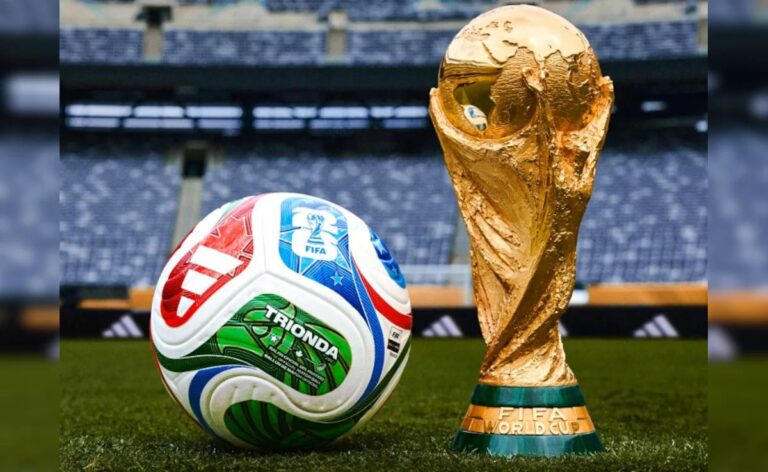
The FIFA World Cup History
The FIFA World Cup History: A Complete Guide to the World’s Biggest Football Tournament
The FIFA World Cup stands as the most influential and widely celebrated sporting event on the planet. Organized by FIFA, the tournament brings nations together every four years to compete for global glory. With billions of viewers, iconic stadium atmospheres, unforgettable goals, and dramatic rivalries, the World Cup is more than a competition—it’s a cultural phenomenon that shapes generations
1.Why the World Cup Matters
The World Cup is not just a football tournament; it is a global celebration that unites people from every continent. Whether you’re watching from a packed stadium, a crowded café, or your living room, the event creates a sense of shared excitement that few spectacles can match
Several factors contribute to its unmatched popularity:
- Global Participation: Over 200 national teams compete in the qualification rounds
- Cultural Impact: From music to fashion to social media trends, the World Cup shapes global culture
- Economic Influence: Host countries often experience surges in tourism and global exposure
- Historical Legacy: Legends are born, nations are united, and unforgettable moments become part of football history
-
The FIFA World Cup History
2. History of the World Cup
The World Cup began in 1930, hosted by Uruguay, marking the beginning of an event that would grow exponentially over the decades. Uruguay won the first title, setting the stage for future rivalries and milestones
Key Historical Moments:
- 1930: First World Cup in Uruguay
- 1950: The famous “Maracanazo” where Uruguay defeated Brazil in Rio
- 1970: Pelé’s Brazil cemented its legendary status
- 1998: Expansion to 32 teams and France’s first victory
- 2010: Spain’s golden generation claimed their first title
- 2022: Argentina’s emotional triumph led by Lionel Messi
The World Cup has consistently evolved—expanding teams, upgrading stadium technology, and embracing new broadcasting innovations
3. Tournament Format
The format of the World Cup has changed multiple times, but the most familiar structure includes:
Group Stage
- 32 teams divided into 8 groups of 4
- Each team plays 3 matches
- Top 2 teams from each group advance
Knockout Stage
- Round of 16
- Quarter-finals
- Semi-finals
- Third-place play-off
- The Final
Each knockout match brings high tension, with extra time and penalties deciding the outcome if necessary
4. Summary of World Cup Winners
| Year | Host Country | Champion | Runner-Up |
|---|---|---|---|
| 1930 | Uruguay | Uruguay | Argentina |
| 1950 | Brazil | Uruguay | Brazil |
| 1970 | Mexico | Brazil | Italy |
| 1998 | France | France | Brazil |
| 2010 | South Africa | Spain | Netherlands |
| 2022 | Qatar | Argentina | France |
5. Cultural and Social Influence of the World Cup
The World Cup transcends sports and becomes a global festival. It influences:
- Music: Official anthems become worldwide hits
- Travel: Fans flood host nations, increasing tourism
- Politics: Matches can reflect political tensions or unity
- Media: Billions follow highlights, memes, and analyses online
The event becomes a universal language—bridging gaps between different cultures, beliefs, and backgrounds
6. Economic Impact of Hosting the World Cup
Hosting the World Cup is a massive undertaking that can reshape a country’s economy, infrastructure, and international image. While the financial outcomes vary from one country to another, the event typically triggers a wave of investment and global attention.
Infrastructure Development
Countries often invest heavily in:
- Modern stadiums
- Public transportation
- Airports and hotels
- Digital and broadcasting facilities
These improvements frequently remain long after the tournament, benefiting tourism and local communities
Tourism and Business Growth
During the event, millions of international visitors arrive to support their teams. This influx boosts revenue for:
- Restaurants
- Hotels
- Retail shops
- Transportation companies
Long-Term Branding
A successful World Cup can elevate a nation’s global reputation. For example, hosting the tournament helped nations like South Africa and Qatar gain visibility and become more attractive for future events and investments
7. Legendary Players Who Defined the Tournament
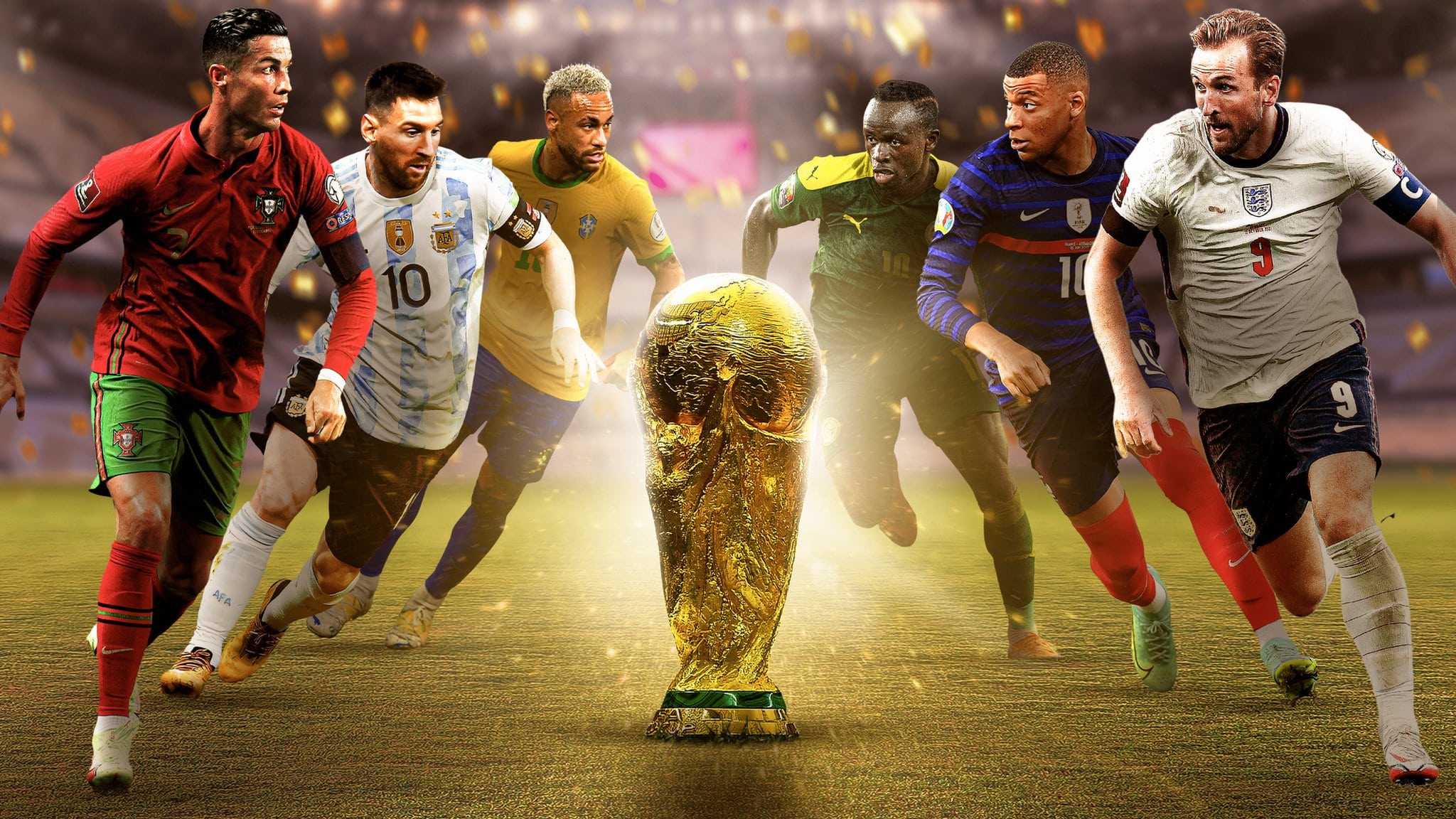
The World Cup has produced countless legends whose performances turned them into global icons. These stars not only shaped the history of the tournament but also changed the sport forever
Pelé
Often regarded as the greatest footballer of all time, Pelé led Brazil to three World Cup titles (1958, 1962, 1970). His creativity, athleticism, and leadership transformed the game
Diego Maradona
Known for his magical dribbling and unmatched passion, Maradona delivered one of the most unforgettable performances in 1986—especially his “Goal of the Century” and controversial “Hand of God”
Zinedine Zidane
Zidane’s elegance dominated the 1998 World Cup, securing France’s first title. His two headers in the final became legendary, despite his dramatic exit in 2006
Lionel Messi
In 2022, Messi completed his long-awaited dream by leading Argentina to a historic victory. His leadership and brilliance solidified his place among the greatest players in history
Ronaldo Nazário
The Brazilian striker’s explosive speed and clinical finishing made him a World Cup legend, especially in 2002 when he scored eight goals to bring Brazil its fifth title
8. Unforgettable World Cup Moments
Some moments transcend time and become part of football culture forever. Here are a few examples:
- Maracanazo (1950): Uruguay shocked Brazil in the packed Maracanã Stadium
- England’s 1966 Triumph: Geoff Hurst scored the only hat-trick in a World Cup final
- Cruyff’s Turn (1974): A move that changed football technique forever
- The 7–1 Match (2014): Germany’s historic victory over Brazil stunned the world
- Argentina vs France Final (2022): One of the most dramatic matches ever played, filled with goals, tension, and an unforgettable penalty shootout
9. Controversies and Criticisms Surrounding the Tournament
Despite its popularity, the World Cup has faced various controversies:
Hosting Concerns
Some host countries have been criticized for:
- Human rights issues
- Extreme costs
- Questionable bidding processes
VAR Debates
The introduction of Video Assistant Referee (VAR) has sparked mixed reactions, with some praising fairness and others criticizing constant interruptions
Environmental Impact
Massive construction and large crowds can raise environmental concerns, leading FIFA to adopt more sustainability-focused guidelines
10. Most Successful World Cup Teams
| Team | Titles | Years Won |
|---|---|---|
| Brazil | 5 | 1958, 1962, 1970, 1994, 2002 |
| Germany | 4 | 1954, 1974, 1990, 2014 |
| Italy | 4 | 1934, 1938, 1982, 2006 |
| Argentina | 3 | 1978, 1986, 2022 |
| France | 2 | 1998, 2018 |
| Uruguay | 2 | 1930, 1950 |
11. The Future of the World Cup: New Format and Global Expansion
The upcoming tournaments are expected to bring major changes
Expansion to 48 Teams
Starting from the 2026 World Cup, co-hosted by:
- United States
- Canada
- Mexico
the tournament will expand to 48 teams, introducing a broader group-stage format and giving more nations the chance to participate
Technological Advancements
Future tournaments will include:
- Enhanced VAR tools
- Semi-automated offside technology
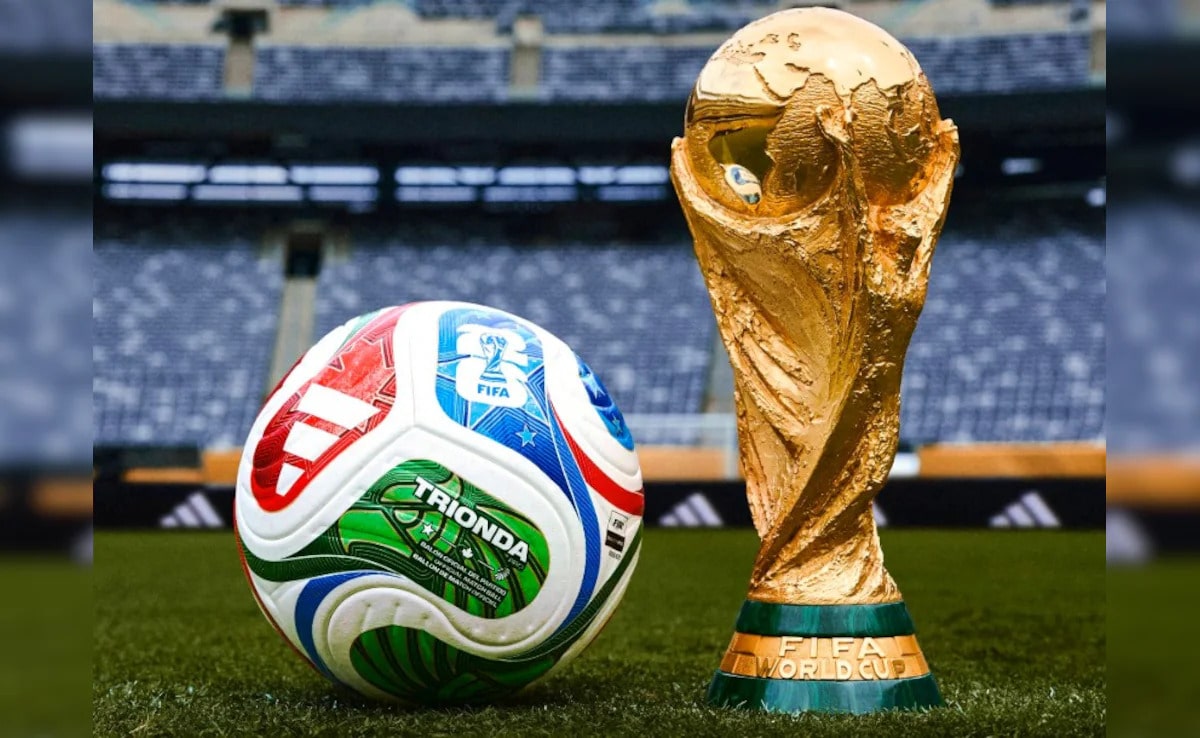
- Smart matchballs with tracking chips
Sustainability Efforts
FIFA aims to reduce environmental impact through:
- Eco-friendly stadiums
- More efficient transportation
- Reduced carbon emissions
12. Why the World Cup Will Always Matter
The World Cup’s power lies in its emotional connection with people. Every tournament brings:
- New heroes
- New rivalries
- New memories
- New stories that unite the world
Whether you’re a lifelong fan or a casual viewer, the tournament offers unmatched excitement and inspiration
13. Key Factors Behind the Tournament’s Global Popularity
The World Cup continues to dominate global sports due to a combination of emotional, cultural, and competitive factors:
Global Accessibility
Football is one of the simplest sports to play—requiring only a ball and open space. This accessibility makes the World Cup relatable to people from all backgrounds
National Pride
Every four years, countries rally behind their teams, creating a powerful sense of unity. The tournament strengthens national identity and brings communities together
Unpredictable Drama
Shocking upsets, underdog victories, and last-minute goals keep viewers emotionally invested. Every match offers a chance for history to be rewritten
Generational Memories
Families often share World Cup traditions—watching matches together, collecting stickers, discussing legendary players. These shared moments become lifelong memories
14. Memorable World Cup Finals
| Year | Final Match | Score | Notes |
|---|---|---|---|
| 1950 | Brazil vs Uruguay | 1–2 | “Maracanazo,” one of the biggest shocks in history |
| 1998 | France vs Brazil | 3–0 | France wins its first title at home |
| 2006 | Italy vs France | 1–1 (5–3 pens) | Zidane’s famous headbutt occurred in this match |
| 2014 | Germany vs Argentina | 1–0 | Mario Götze scores in extra time |
| 2022 | Argentina vs France | 3–3 (4–2 pens) | One of the most dramatic finals ever played |
15. The Human Side of the World Cup
Beyond statistics and trophies, the World Cup is a human story. It highlights:
Emotions of Victory and Defeat
From tearful celebrations to heartbreaking losses, emotions run deep for both players and fans
Cultural Exchange
Supporters from around the world meet, celebrate, and share traditions—turning host cities into multicultural hubs
Inspiring New Generations
Young athletes watch their heroes on the global stage and dream of becoming part of football history
Community Building
Local gatherings, public screenings, and street celebrations strengthen bonds among people who may otherwise never meet
16. Final Thoughts: Why the World Cup Is More Than a Tournament
The World Cup is a rare event that blends sport, culture, emotion, and global connection. It tells stories of triumph, struggle, unity, and passion—captivating billions every four years. Whether it’s a dramatic final, a rising star, or a nation’s underdog journey, each tournament adds a new chapter to football history
As the event continues to grow—with new technology, expanded participation, and stronger global engagement—its impact on the world remains unmatched. The World Cup will always be a celebration of human spirit, competition, and unity
17. The New 48-Team Format and the 2026 World Cup
The 2026 World Cup will introduce one of the biggest structural changes in the tournament’s history: the expansion from 32 teams to 48 teams. This new format aims to increase global participation, offer more competitive opportunities, and enhance representation from every continent
Understanding the New 48-Team Format
Under the new system, the tournament will feature:
16 Groups Instead of 8
The teams will be divided into 16 groups, each containing three nations
- Each team plays two matches in the group stage
- The top two teams from each group will advance to the knockout rounds
Expanded Knockout Stage
With more teams advancing, the knockout phase will begin with:
- Round of 32
- Round of 16
- Quarter-finals
- Semi-finals
- Final
This means fans will enjoy more elimination games, increasing suspense and competitive drama
More Global Representation
The new format gives more spots to developing football regions:
- More African teams
- More Asian teams
- More teams from the Americas
- Additional qualification opportunities for smaller nations
This broader participation aims to make the tournament truly global
18. The 2026 World Cup: A Unique Three-Nation Hosting Experience
The 2026 tournament will be the first World Cup ever hosted by three countries: the United States, Mexico, and Canada. This co-hosting model marks a new era for international sporting events
Host Cities and Stadiums
The tournament will take place across multiple cities and venues, with a mix of iconic football locations and state-of-the-art stadiums
Why This World Cup Will Be Historic
Several elements make this edition special:
1. Largest World Cup Ever
With 48 teams, 104 matches will be played—the highest number in history
2. Massive Fan Attendance
North America’s large stadiums and world-class infrastructure are expected to set new attendance records
3. Cultural Diversity
The event will blend three cultures, offering fans a combination of:
- North American entertainment
- Mexican football passion
- Canadian hospitality
4. Advanced Technology
The tournament will introduce upgraded systems, including:
- Semi-automated offside detection
- Enhanced VAR experiences
- Smart ball tracking technology
19. Benefits and Challenges of the New Format
Benefits
- More football for fans
- Greater inclusion of emerging football nations
- Increased commercial and media opportunities
- More dramatic knockout games
Challenges
- Potential for short group-stage matches
- Scheduling complexity
- Increased travel distances for teams and fans
Despite these challenges, the new system promises a fresh, expanded experience for the global football community
20. What Fans Can Expect From the 2026 Edition
Fans attending or watching the 2026 tournament can expect:
- Electric atmospheres in stadiums across three countries
- A broader mix of playing styles
- More surprising underdog stories
- New stars emerging on the global stage
- A historic shift in how future tournaments will be organized
The 2026 World Cup will not only be bigger—it will redefine how the world experiences the sport